
Medical Device Label Review
About FDA Medical Device Label Review
All medical devices marketed in the United States must comply with strict FDA labeling requirements. Non-compliance results in the product being deemed misbranded. Our services help you navigate the complexities of labeling, IFU, and packaging graphics.
Our regulatory specialists provide expert guidance in:
- Identification of device class, product code, and regulation number
- Verifying if your device requires a 510(k) clearance or is exempt
- Review of mandatory contents required on labels and packaging
- Assessment of marketing and promotional statements
- Overall label format, layout, and presentation
At Liberty Management Group, our experienced professionals conduct a detailed review, identify compliance gaps, and deliver a revised, ready-to-use FDA-compliant label—accurately, efficiently, and cost-effectively.
Frequently Asked Questions
What is involved in a medical device label review?
What elements are reviewed during the process?
- Device name and intended use
- Indications for use
- Manufacturer name and address
- Warnings, precautions, and contraindications
- Instructions for Use (IFU)
- ISO symbols and abbreviations
What is considered "misbranding" by the FDA?
What is the difference between "intended use" and "indications for use"?
Intended Use: The general purpose or function of the device.
Indications for Use: The specific diseases, conditions, or patient populations the device is intended to treat or diagnose.
What is the outcome of a compliant label review?
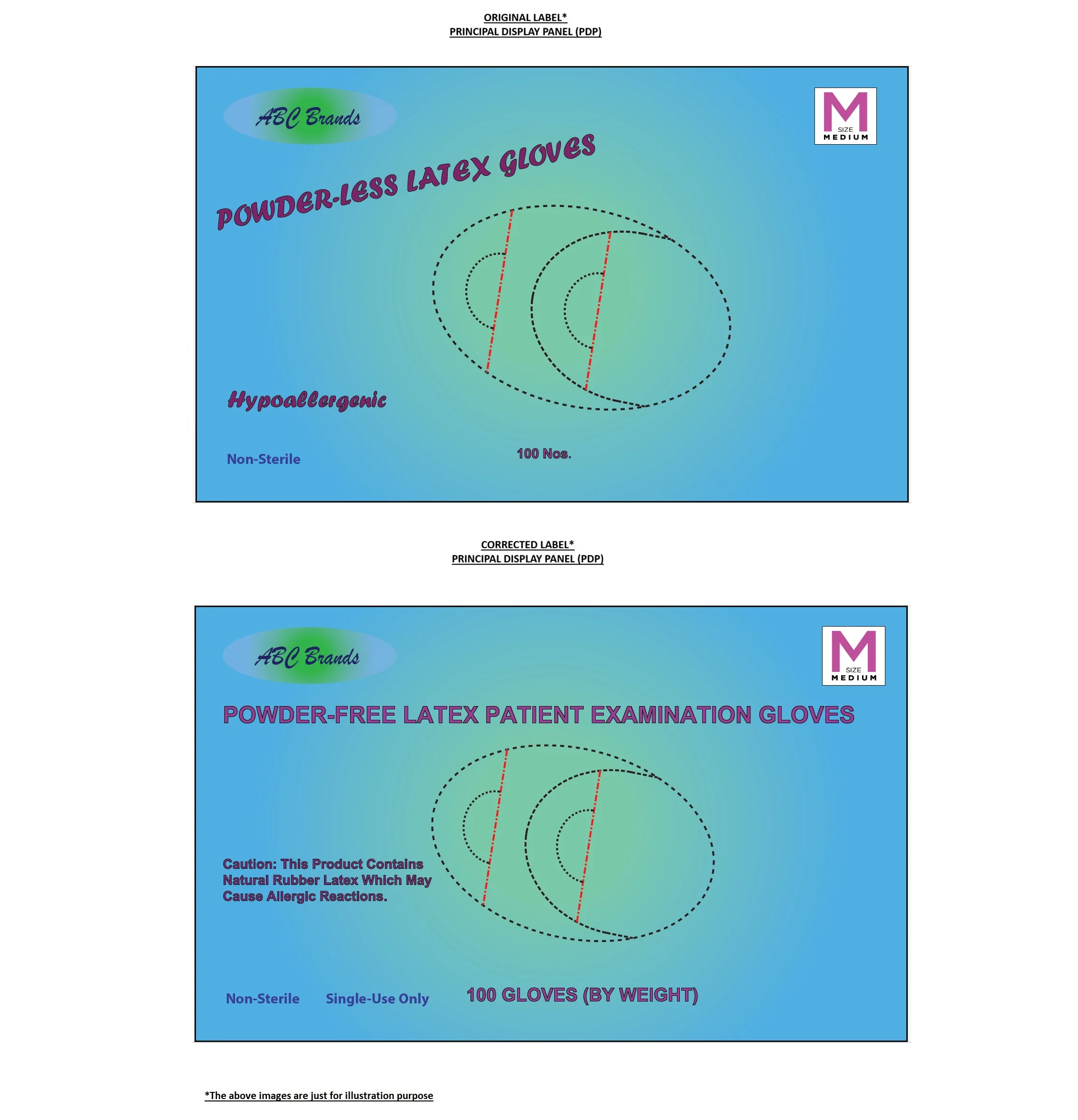
Example: Non-compliant vs. Corrected Label
Ready to Register Your Device Label?
Simply contact our regulatory team to guide you through the next steps.
Contact Us View Fees